

Appliance Manufacturing
Ceramic Components Built for Reliable Heating & Electrical Performance
Modern appliances rely on components that withstand repeated heating cycles, provide dependable electrical insulation, and maintain dimensional stability over time.
Associated Ceramics manufactures custom technical ceramic components for residential, commercial, and industrial appliances, including ignition systems, heating elements, and electrical supports. Our engineering team helps identify the right ceramic materials and manufacturing processes for reliable, long-term performance in demanding thermal and electrical environments.
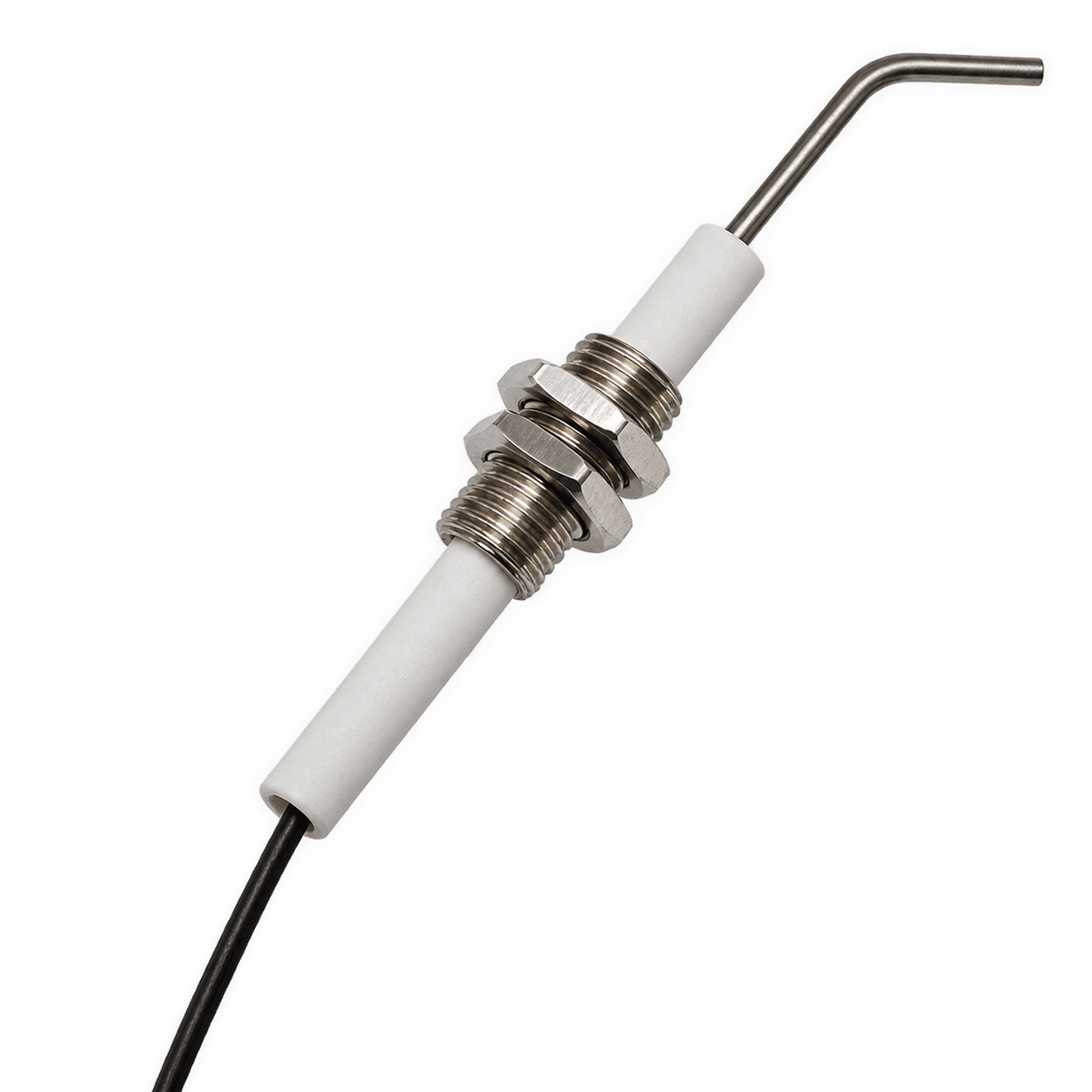
Why Technical Ceramics Are Used in Appliance Manufacturing
Appliance manufacturers rely on technical ceramics because few materials can combine electrical insulation, high-temperature performance, thermal stability, and long service life in the same component.
Unlike many metals, tungsten carbide and plastics, engineered ceramics maintain their mechanical properties under repeated heating and cooling cycles while resisting electrical conductivity, wear, and corrosion. These characteristics make technical ceramics ideal for components positioned near heating elements, ignition systems, and electrically energized assemblies.
By selecting the appropriate ceramic material, manufacturers can improve product reliability, reduce maintenance, and extend the operating life of finished equipment.
Common Appliance Applications
Our ceramic components are commonly found in:
- Gas appliance ignition systems
- Electric heating elements
- Commercial ovens
- Furnaces
- Water heaters
- Boilers
- Industrial heaters
- Cooking equipment
- HVAC heating assemblies
- High-temperature electrical supports
If your application requires electrical insulation or reliable performance in elevated temperatures, our engineering team can help develop the right ceramic solution.
Recommended Ceramic Materials
Material selection depends on your operating temperature, electrical requirements, mechanical loading, and production goals.
The materials most commonly used in appliance manufacturing include:
Alumina
Excellent electrical insulation, high-temperature capability, exceptional strength, and outstanding wear resistance make alumina one of the most commonly specified materials for appliance applications.
Steatite
A cost-effective ceramic material offering excellent electrical insulation and dimensional stability for many heating and electrical applications.
Cordierite
Ideal for applications exposed to rapid heating and cooling cycles because of its exceptional thermal shock resistance.
Products Commonly Manufactured for Appliance Applications
Associated Ceramics regularly manufactures ceramic components including:
Electrical Element Supports
Designed to securely support heating elements while maintaining excellent electrical insulation and dimensional stability.
Igniter Insulators
Engineered to electrically isolate ignition systems while withstanding repeated thermal cycling and elevated operating temperatures.
Electrical Insulators
Precision ceramic insulators manufactured for appliance assemblies requiring dependable dielectric strength and long-term reliability.
Structural Ceramic Components
Custom ceramic components engineered for specialized appliance assemblies requiring strength, dimensional accuracy, and thermal stability.
Engineering Considerations for Appliance Ceramic Components
Selecting the right ceramic component requires balancing thermal performance, electrical requirements, mechanical loading, and manufacturing considerations.
Key factors appliance engineers evaluate include:
Operating Temperature
Ceramic materials must maintain their mechanical and electrical properties throughout the appliance’s expected temperature range.
Thermal Cycling
Components exposed to repeated heating and cooling require materials capable of resisting thermal shock and minimizing failure caused by expansion and contraction.
Electrical Requirements
Applications involving heating elements and ignition systems require ceramic materials with dependable dielectric strength and electrical insulation properties.
Component Geometry
Complex shapes, tight tolerances, and assembly requirements must be considered during material selection and manufacturing.
Associated Ceramics works with engineers early in the design process to help select the appropriate material and manufacturing approach for reliable, repeatable performance.
Why Partner with Associated Ceramics?
For more than six decades, manufacturers have trusted Associated Ceramics to deliver precision ceramic components for demanding applications.
Our capabilities include:
- Two U.S. manufacturing facilities
- ISO 9001:2015 certified manufacturing
- In-house engineering and tooling support
- Prototype through production manufacturing
- Capacity to manufacture more than 1.5 million ceramic components per day
- Consistent quality across high-volume production
Whether you're launching a new product or looking for a more reliable manufacturing partner, we help appliance manufacturers reduce risk while improving long-term component performance.
Frequently Asked Questions
Why are ceramics used in appliances?
Technical ceramics provide electrical insulation, high-temperature performance, thermal stability, and long service life, making them ideal for heating systems and electrical assemblies.
Which ceramic material is best for heating elements?
The best material depends on the application. Alumina, steatite, and cordierite are among the most commonly used materials because they offer different combinations of electrical insulation, thermal performance, and thermal shock resistance.
Can Associated Ceramics manufacture custom appliance components?
Yes. We regularly manufacture custom ceramic components designed specifically for OEM appliance manufacturers and specialized equipment applications.
Can you help develop new ceramic components?
Absolutely. Our engineering team assists with material selection, prototype development, tooling, manufacturing, and production scaling.
Do you manufacture production quantities?
Yes. We support customers from prototype development through high-volume production, providing consistent quality and dependable delivery throughout the life of the program.
Ready to Discuss Your Application?
Whether you're developing a new component, searching for a better supplier, or scaling an existing design into production, our engineers are ready to help.